
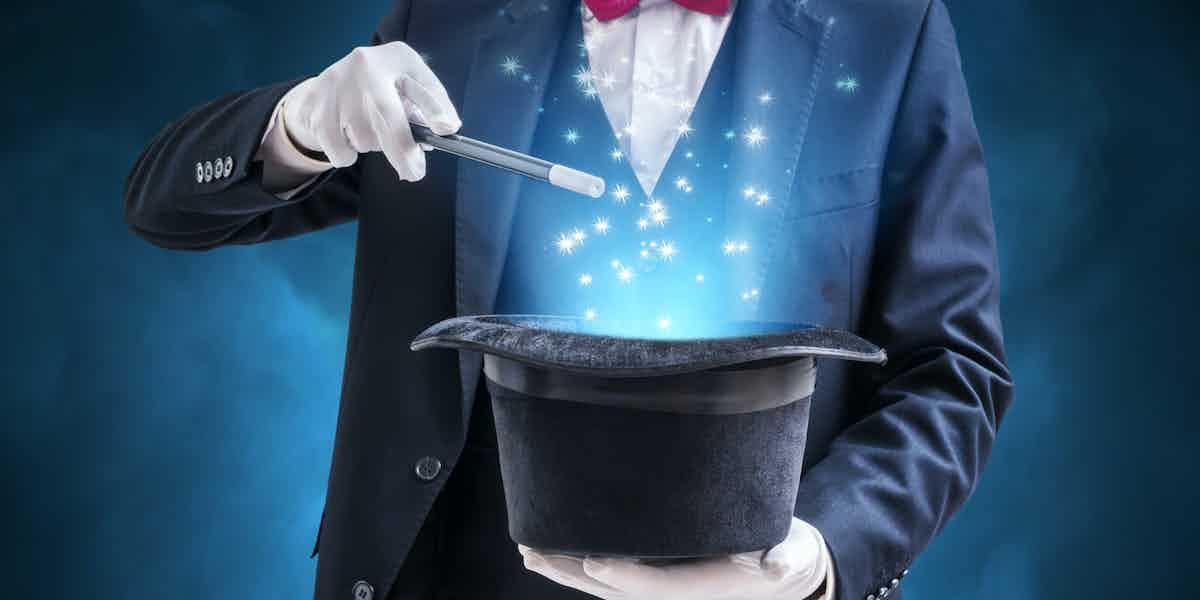
A magic show is a live performance where illusion, storytelling, and sleight of hand come together to amaze audiences. Magicians use skill, psychology, misdirection, and theatrical elements to create moments that feel impossible. Whether performed on a grand stage or in an intimate setting, magic shows continue to fascinate people of all ages.
What Is a Magic Show?
A magic show is a carefully designed performance where magicians present illusions, mind-reading feats, vanishing acts, and other mysteries. These shows combine entertainment, creativity, and showmanship to leave audiences wondering how the impossible became possible.
Key Elements of a Magic Show
1. Illusions
Large-scale illusions involve props, assistants, and often elaborate setups. Common examples include:
- Levitation acts
- Disappearing acts
- Escapes from locked boxes or restraints
- Sawing illusions
2. Sleight of Hand
Close-up magic relies on dexterity and precision. Magicians perform:
- Card tricks
- Coin manipulation
- Rope tricks
- Object transformations
3. Mentalism
Mentalism focuses on psychological mystery. Performers may:
- Predict choices
- Reveal personal details
- Read body language
- Create mind-reading effects
4. Storytelling and Theatrics
A great magic show uses character, narrative, and emotion to enhance the tricks. Elements include:
- Dramatic lighting
- Music to build suspense
- Costumes or themed attire
- Engaging scripts and humor
5. Audience Participation
Magicians often invite spectators onstage to add authenticity. Participation may involve:
- Choosing cards
- Holding objects
- Answering questions
- Helping test illusions
6. Stage Design
Professional shows feature:
- Strategic lighting setups
- Hidden mechanisms
- Smoke and visual effects
- Sleek props and backdrops
Types of Magic Shows
Stage Magic
Performed in theaters with large props and visual grandeur, ideal for big audiences.
Close-Up Magic
Intimate performances at events or gatherings using small objects, allowing personal engagement.
Street Magic
Unscripted routines performed in public spaces for spontaneous reactions.
Children’s Magic Shows
Family-friendly shows with colorful props, simple illusions, and interactive fun.
Comedy Magic
Combines laugh-out-loud humor with clever tricks for a unique entertainment experience.
Mentalism Shows
Focused on mindreading, predictions, and psychological feats that leave audiences stunned.
Why Magic Shows Remain Popular
Magic shows offer:
- A sense of wonder and excitement
- Escapism from everyday routine
- Family-friendly entertainment
- Creative artistry and skill
- Memorable experiences for special events
Their ability to evoke curiosity keeps them timeless across cultures and generations.
Tips for Enjoying a Magic Show
Arrive Early
Securing good seats enhances visibility and engagement.
Be Open-Minded
A sense of curiosity makes the experience more enjoyable.
Participate When Invited
Audience involvement adds authenticity and fun to the performance.
Avoid Spoilers
Revealing secrets can diminish the magic for others.
FAQ
1. How long does a typical magic show last?
Most shows run between 60 to 90 minutes, depending on the format and venue.
2. Are magic shows suitable for children?
Yes, many shows are family-friendly, though some advanced performances target adults.
3. Do magicians use real magic?
No, the effects rely on illusions, psychology, and skilled techniques.
4. Can magic shows be booked for private events?
Absolutely—magicians often perform at weddings, corporate events, birthdays, and festivals.
5. How do mentalists seem to read minds?
They rely on observation, subtle cues, and psychological influence rather than supernatural ability.
6. Are audience volunteers pre-selected?
In most shows, volunteers are genuinely chosen at random to maintain authenticity.
7. What should I wear to a magic show?
Most venues have casual or smart-casual expectations unless it’s a formal theatrical event.
